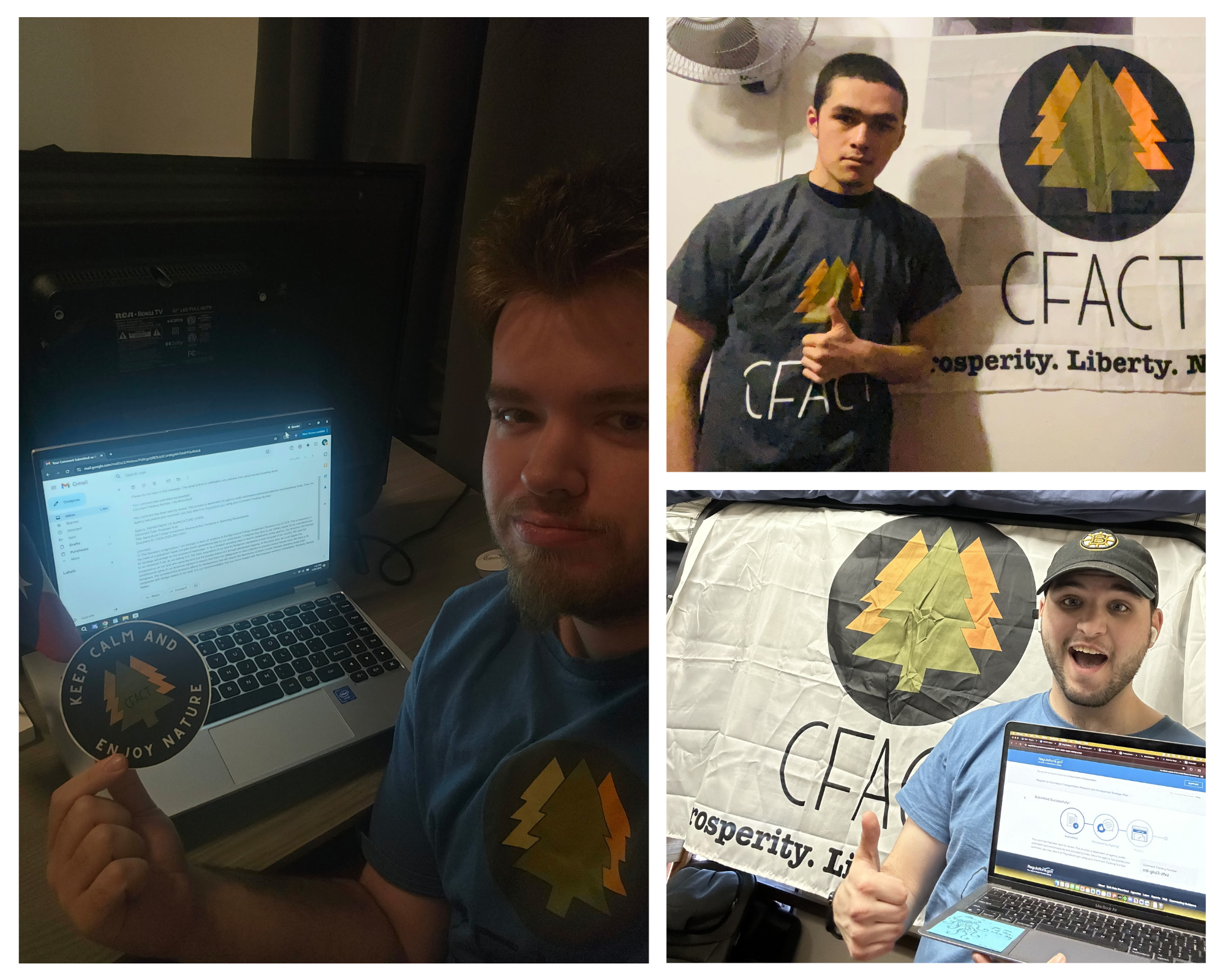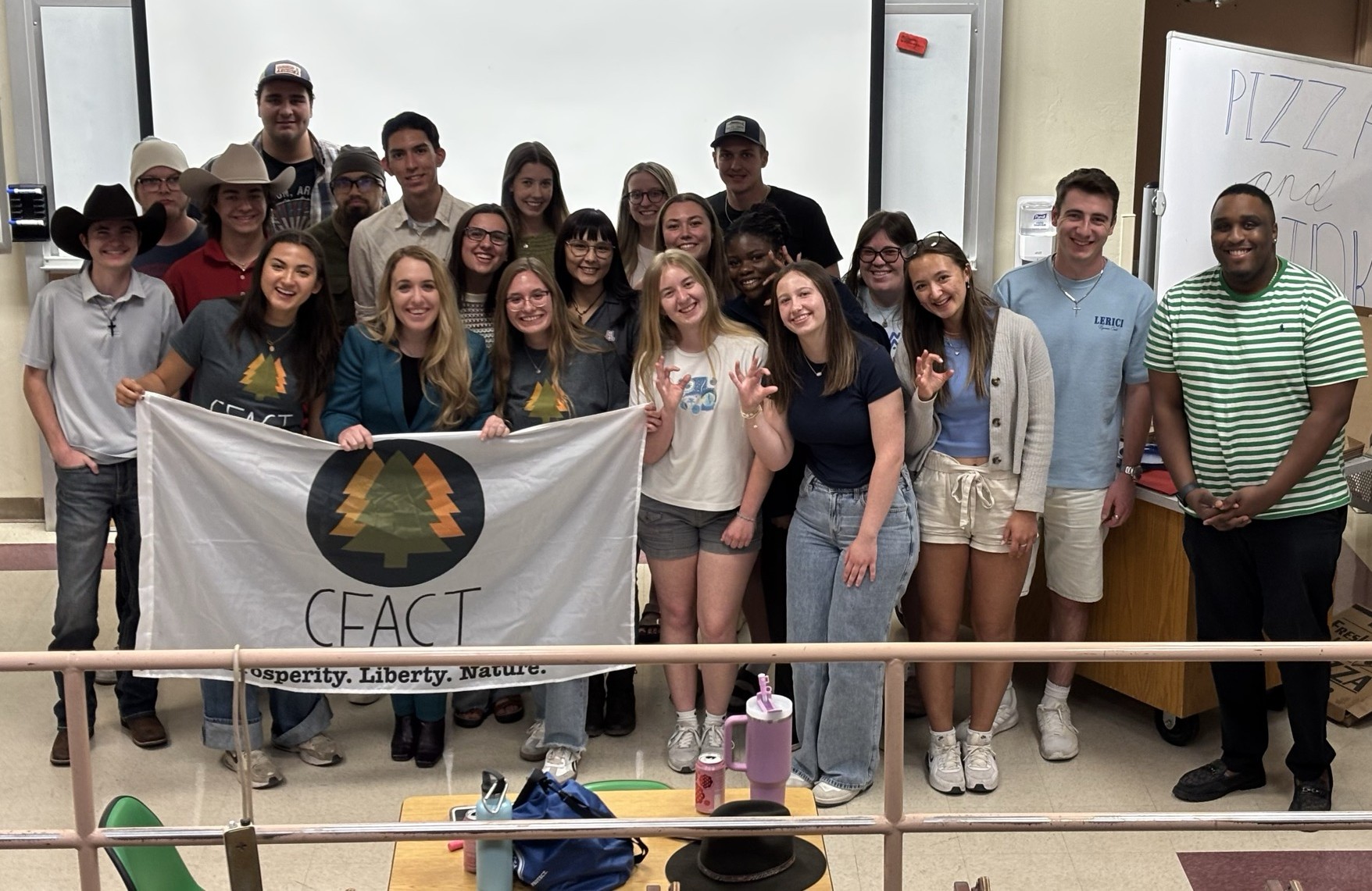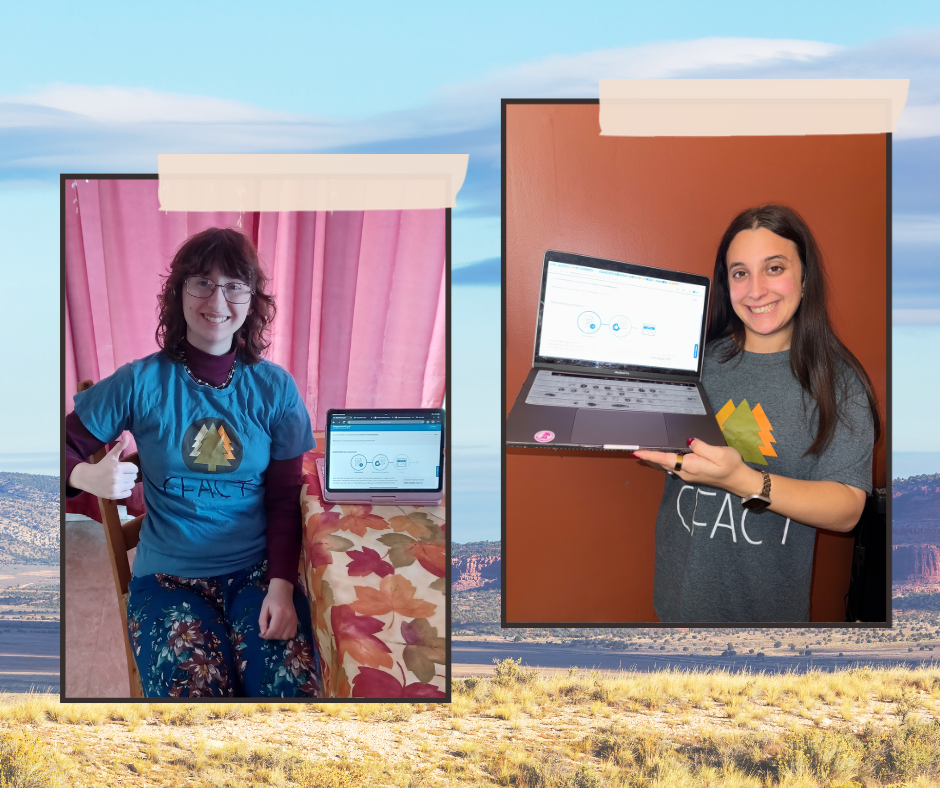
The Bureau of Land Management’s proposal to rescind the Biden era 2024 Conservation and Landscape Health Rule has sparked national debate — and CFACT Collegians are stepping up to ensure the voices of young Americans who value both prosperity and responsible stewardship are heard. The 2024 rule severely restricted public-land leasing, squeezing out industries vital to rural economies and American energy security. In line with CFACT’s position that conservation and development must work hand-in-hand, University of Illinois Chicago student Pearl Beyer submitted the following public comment in support of the rescission.
Pearl Beyer — University of Illinois Chicago
“I support the decision to rescind the conservation and landscape health rule because of the economic benefits. The ruling had restricted land leases on public lands to ensure the habitat was healthy for wildlife and would be sustainable to future generations. However, conservation is not anti-development, it is about a healthy balance of both. Economic interests and conservation interests are both important, and can both be maintained with the refinement of the previous ruling. This would benefit renewable and nonrenewable resources such as recreation, timber, raw minerals, wildlife, along with key American industries. This can be done without permanent impairment on the quality of the environment.
— Pearl Beyer”
With the same docket under review, another CFACT Collegian offered her own perspective. Building upon similar principles of balance, multiple-use management, and the importance of economically vibrant communities, Ariana Alonso of William Paterson University submitted the following detailed comment in favor of rescinding the 2024 rule.
Ariana Alonso — William Paterson University
“To whom it may concern at the Bureau of Land Management:
My name is Ariana Alonso, and I represent Collegians for a Constructive Tomorrow (CFACT) at William Paterson University in Wayne, New Jersey. I’m submitting this comment as a young American who values both environmental conservation and economic opportunity. Thank you for considering my comment.
As a student who cares about both protecting our environment and ensuring a strong future for our country, I fully support the Bureau’s decision to rescind the 2024 Conservation and Landscape Health Rule. While conservation should always be part of public land management, the 2024 rule went too far; it limited access to public lands for responsible uses like energy development, grazing, mining, and timber. These industries not only provide essential resources but also support thousands of jobs and keep rural communities alive.
Public land belongs to everyone, and it should be managed to balance environmental health with economic opportunity. The Federal Land Policy and Management Act (FLPMA) clearly calls for ‘multiple use and sustained yield, meaning our lands should be available for a variety of purposes from recreation and conservation to energy and resource development. The 2024 rule disrupted that balance by elevating ‘conservation leases’ above all other uses, even labeling conservation as a ‘productive use.’ This made it easier for unelected officials to block traditional, lawful activities that have coexisted responsibly for decades.
By rescinding this rule, BLM is restoring fairness, transparency, and balance to public land management. It’s not about choosing industry over the environment; it’s about recognizing that conservation and development can and should work together. Responsible energy production and resource use can fund better restoration projects, provide cleaner technologies, and ensure that our generation inherits both a healthy environment and a strong economy.
Additionally, removing unnecessary regulations and paperwork allows the Bureau to focus more on real land management and less on administrative red tape. This means more time and resources can go toward habitat restoration, wildfire prevention, and community engagement, things that truly benefit both people and nature.
I also appreciate that this rescission supports small businesses, local economies, and American energy independence. Limiting public land use doesn’t just slow down development—it raises prices, increases imports, and puts more strain on everyday Americans. Opening our lands back up to responsible use strengthens our national security, provides career opportunities for young Americans, and ensures we use our resources wisely.
In short, I believe conservation and development are not enemies; they’re partners in sustaining our country’s future. The rescission of the 2024 Conservation and Landscape Health Rule is a positive, necessary step toward balanced land management that benefits both people and the planet.
Sincerely,
Ariana Alonso
William Paterson University