Under bright spring skies filled with aircraft taking off from the school-operated airport, and with a steady flow of prospective students visiting campus, CFACT Collegians at Liberty University turned a routine orientation day into a hands-on lesson in energy reality.
On April 10th, campus representatives Silas Pearson and Colton Smith—joined by National Director Nate Myers fresh off CFACT’s ICCC16 conference in Washington, D.C.—hosted a dual event combining a nuclear soda giveaway with an interactive “Power the Grid” beanbag toss.
The setup was simple, but the impact was anything but.
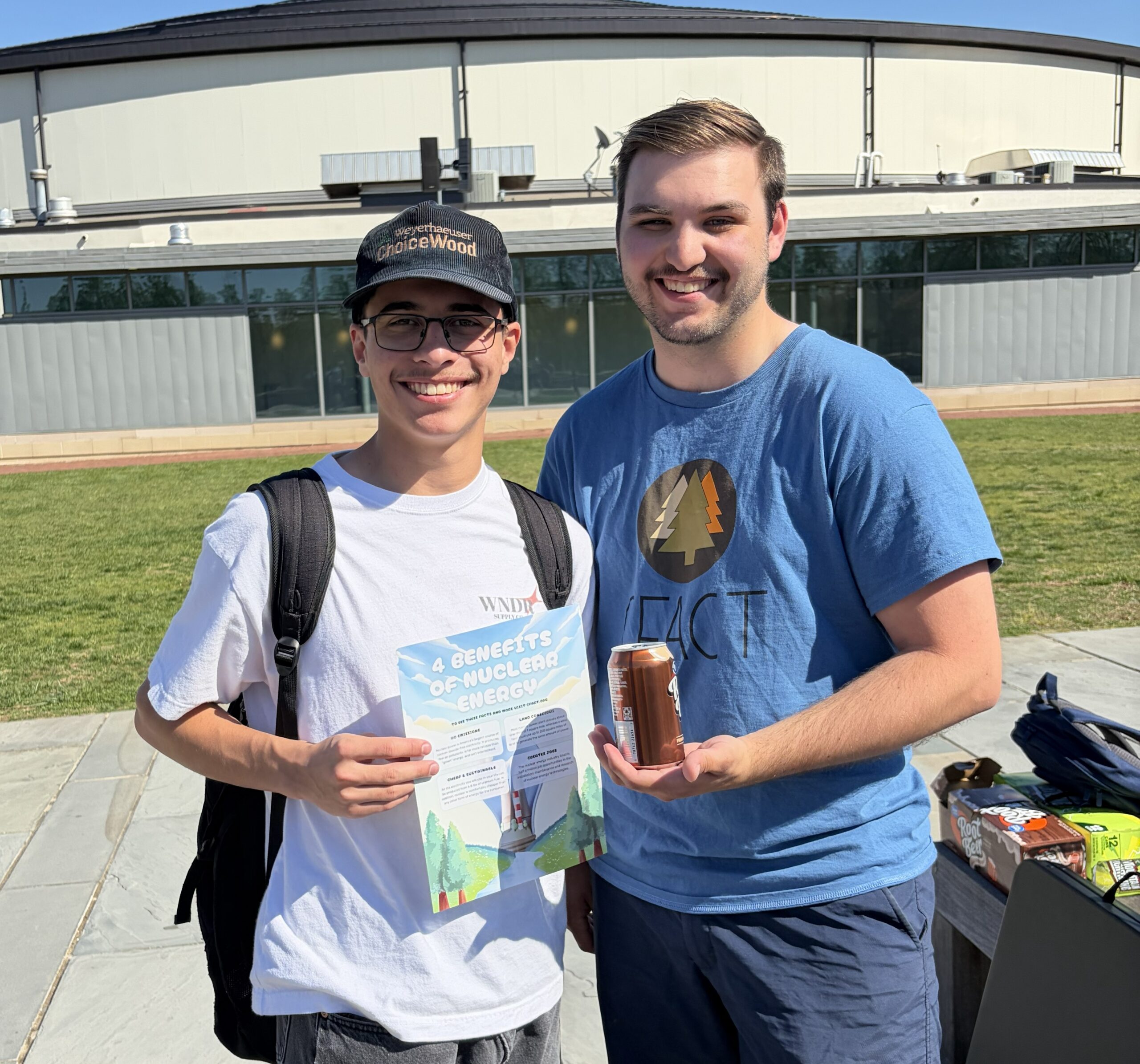
Silas engaged students at the table, handing out sodas alongside flyers highlighting the benefits of nuclear energy. His message stuck: energy from a quantity of nuclear material no larger than a soda can could power Liberty University’s campus for more than three days. For many students, that single comparison reframed everything they thought they knew about energy density and reliability.

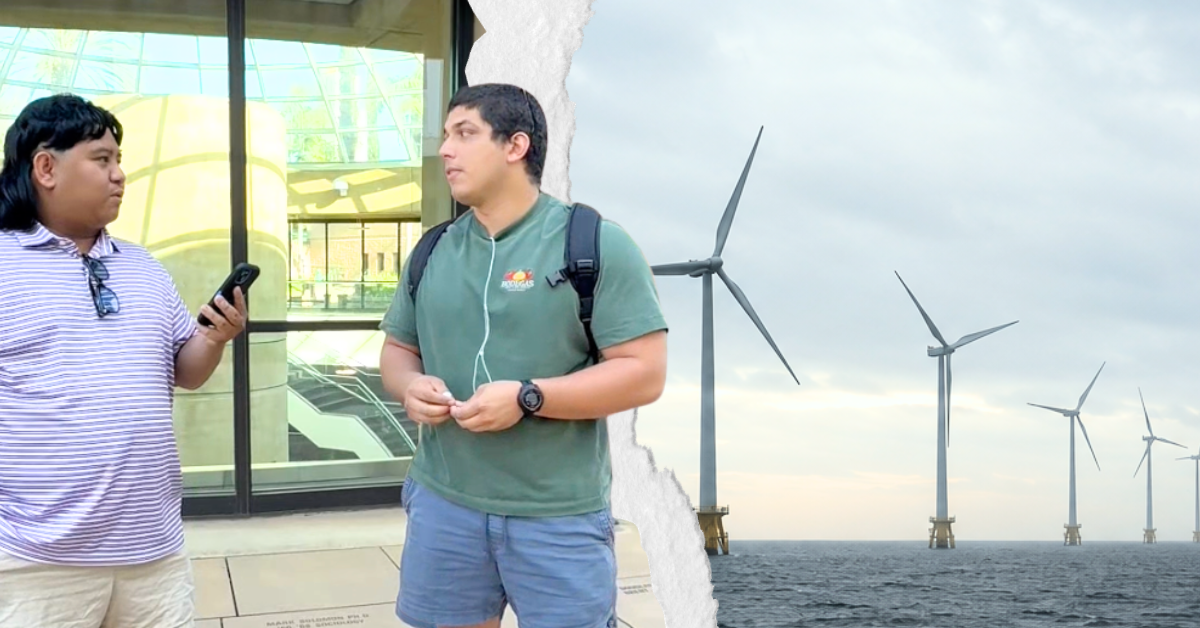
Just a few steps away, Colton ran the cornhole-style game that visually demonstrated the realities of powering the grid. A target representing “traditional energy sources” was placed closer, while a “wind/solar” target was pushed farther back—symbolizing the increased time, cost, and infrastructure required to achieve the same output. As students tossed beanbags, they weren’t just playing a game—they were absorbing a lesson in grid reliability and efficiency as Colton read off relevant factoids.
The format worked exactly as intended.
Over several hours, the team connected with dozens of students, many of whom were already receptive—and others who quickly became so. One prospective student summed up the sentiment best: “I love what you guys are doing, I’m thinking about going here to study nuclear energy!”
For Silas, the experience was just as impactful on the educators as it was on the audience. “Colton and I really enjoyed getting to educate others on grid reliability today. I think through our activities we demonstrated how inferior ‘green’ energy really is. Personally, I had no idea nuclear energy was so efficient until working with CFACT on this event!”
Events like this exemplify what makes the Collegians program so effective. By pairing interactive visuals with straightforward facts, students aren’t lectured—they’re engaged. Complex energy concepts become tangible, memorable, and persuasive.