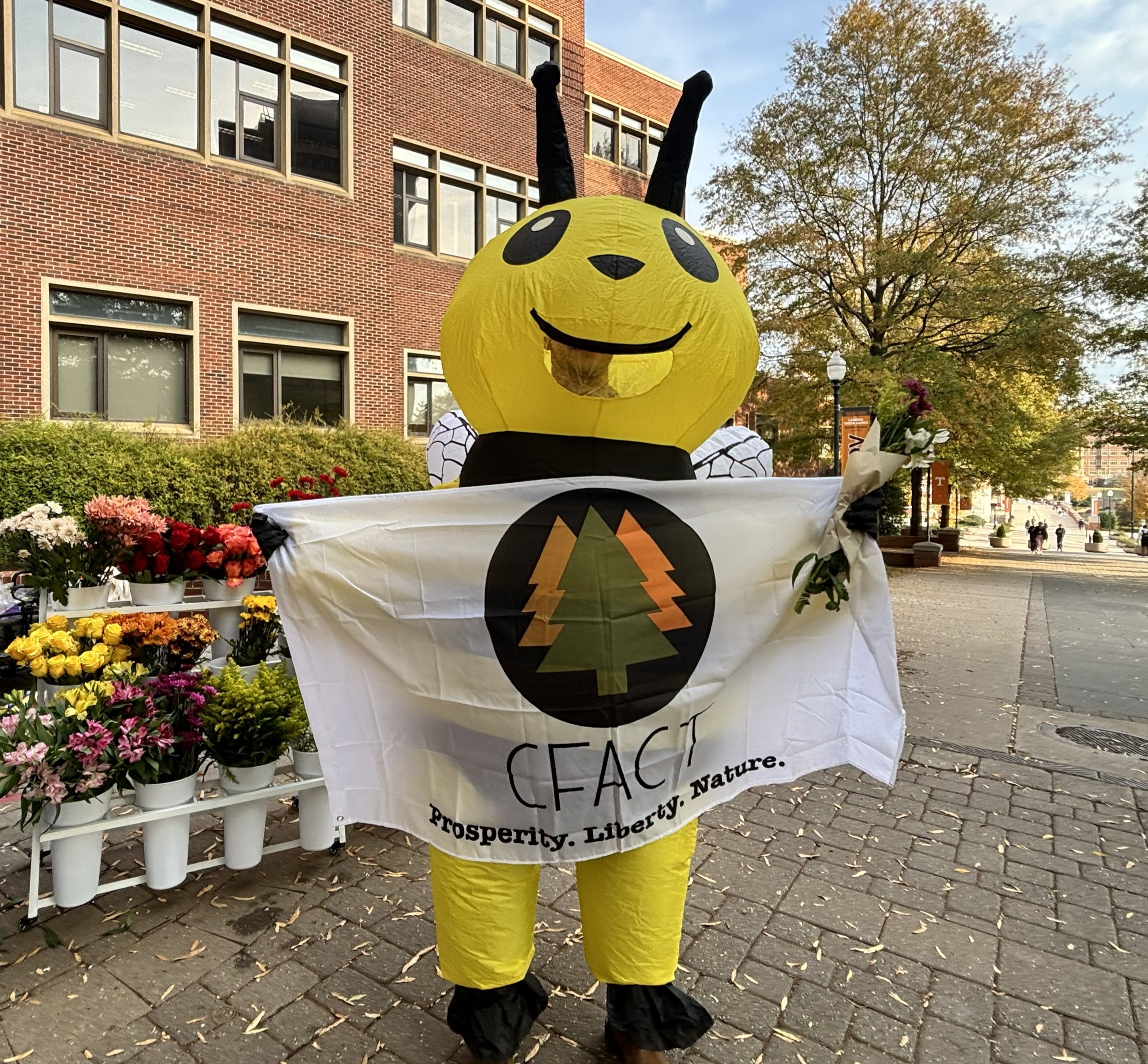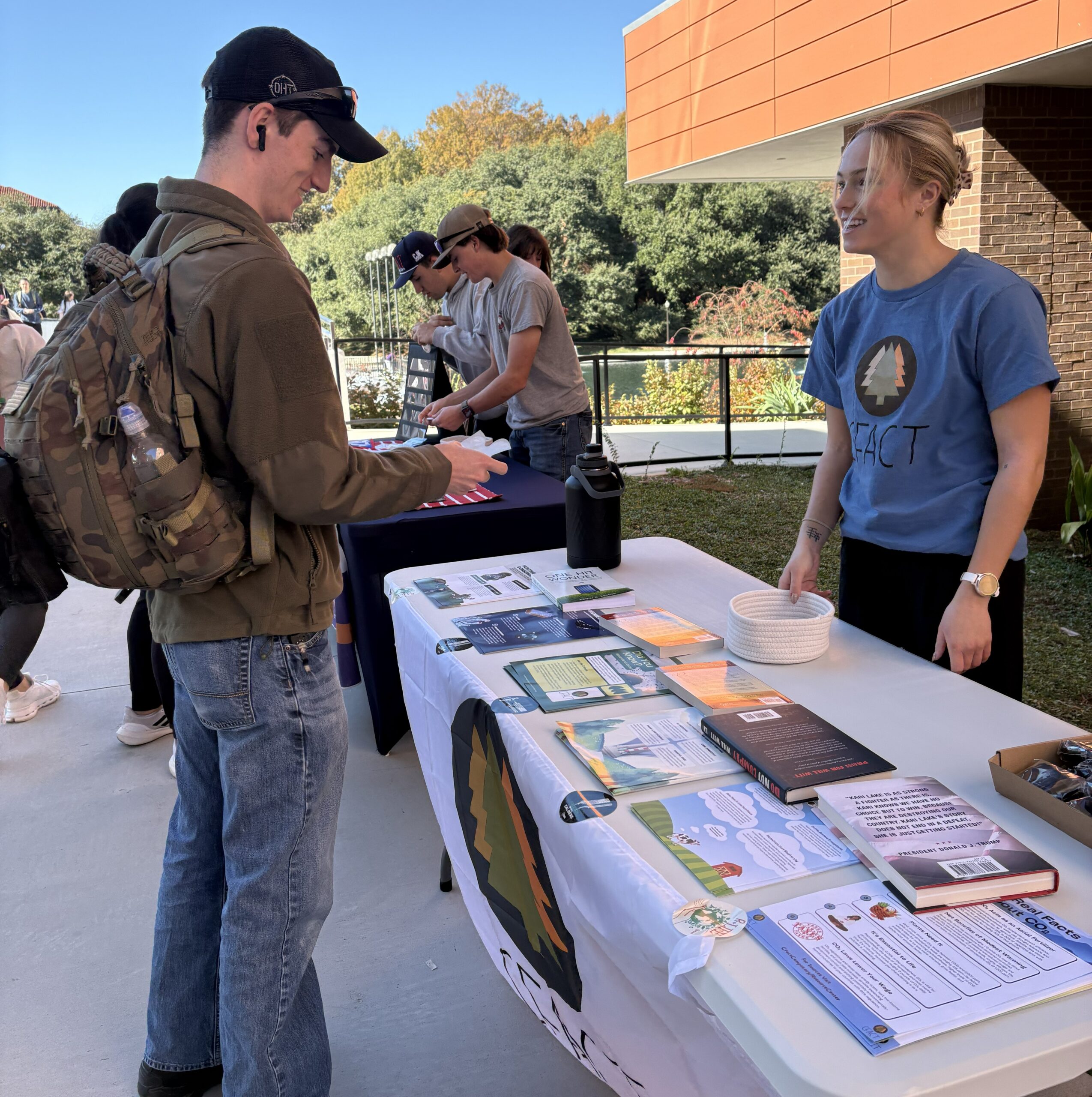
Across three campuses this semester, CFACT Collegians brought a healthy dose of reality to the renewable energy conversation through the visually engaging—and surprisingly sobering—Solar Farm Animal Death Spinwheel tabling event. Part of CFACT’s Green Energy Kills campaign, this initiative confronts a rarely discussed but undeniable consequence of industrial-scale solar development: its lethal impact on animals and ecosystems.
Armed with spinwheels, animal cutouts, and cold-hard facts, collegians educated students on the environmental destruction left in the wake of solar farms. While each campus had its own atmosphere and response, one thing was consistent—students were shocked to learn that the “green” energy they’d been told to celebrate comes with deadly costs.

University of Chicago: Science Meets Sobriety
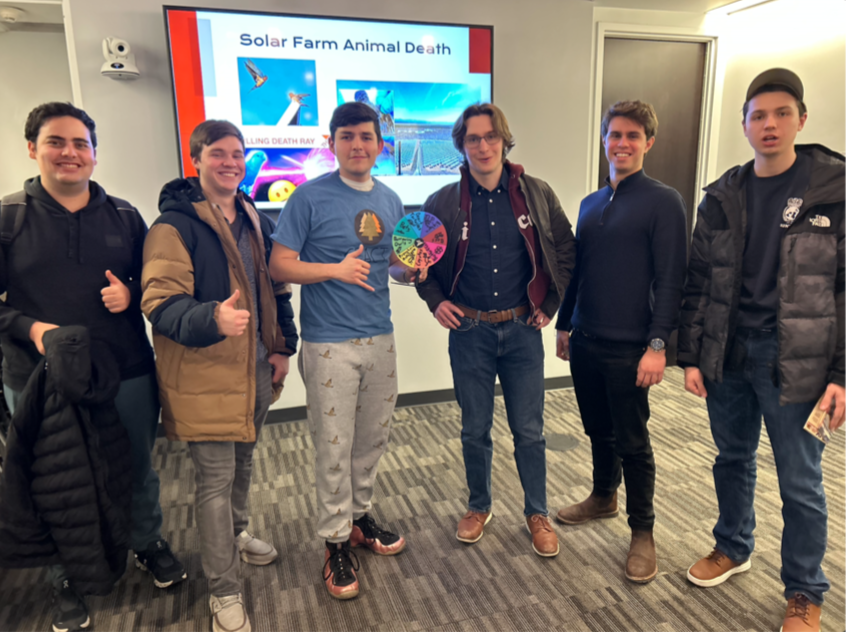
At the prestigious University of Chicago, where students pride themselves on data and debate, Collegian Christopher Phillips delivered a powerful presentation through the spinwheel event. Set up on February 11, 2025, the display featured animals such as desert tortoises, migratory birds, and pollinators—all of which are directly harmed by solar installations.
Most students approached the table thinking they already knew everything there was to know about solar energy. That changed the moment they spun the wheel.
When it landed on an animal, Phillips provided hard-hitting facts—like how solar farms scorch birds mid-flight, decimate habitats, and kill bats and pollinators through heat traps and land sterilization. The demonstration didn’t just raise eyebrows—it reshaped worldviews.
“This activity helped highlight the often-overlooked environmental costs of large-scale solar installations,” Phillips reported. “It was a fact-based, thought-provoking success.”

Nova Southeastern University: From Skepticism to Silence
On March 13th, collegians Luciano Di Piazza and Lilly Moran brought the spinwheel to Nova Southeastern University in Florida. Set in the bustling University Center during peak lunch hour, the duo faced a common but welcome challenge: skeptical students.
Armed with scientific sources and confidence, they turned doubts into silence. Some students initially scoffed at the claims of animal deaths—but when shown reputable sources, they had “no words,” according to Moran.
Despite technical issues with the wheel itself—one piece was missing—the pair improvised and kept the momentum going. Over 30 students interacted with the table, many of whom stayed for long discussions. In an era where flashy virtue-signaling dominates environmentalism, this grassroots event cut through the noise. “We weren’t just raising awareness,” Moran reflected, “we were changing minds.”
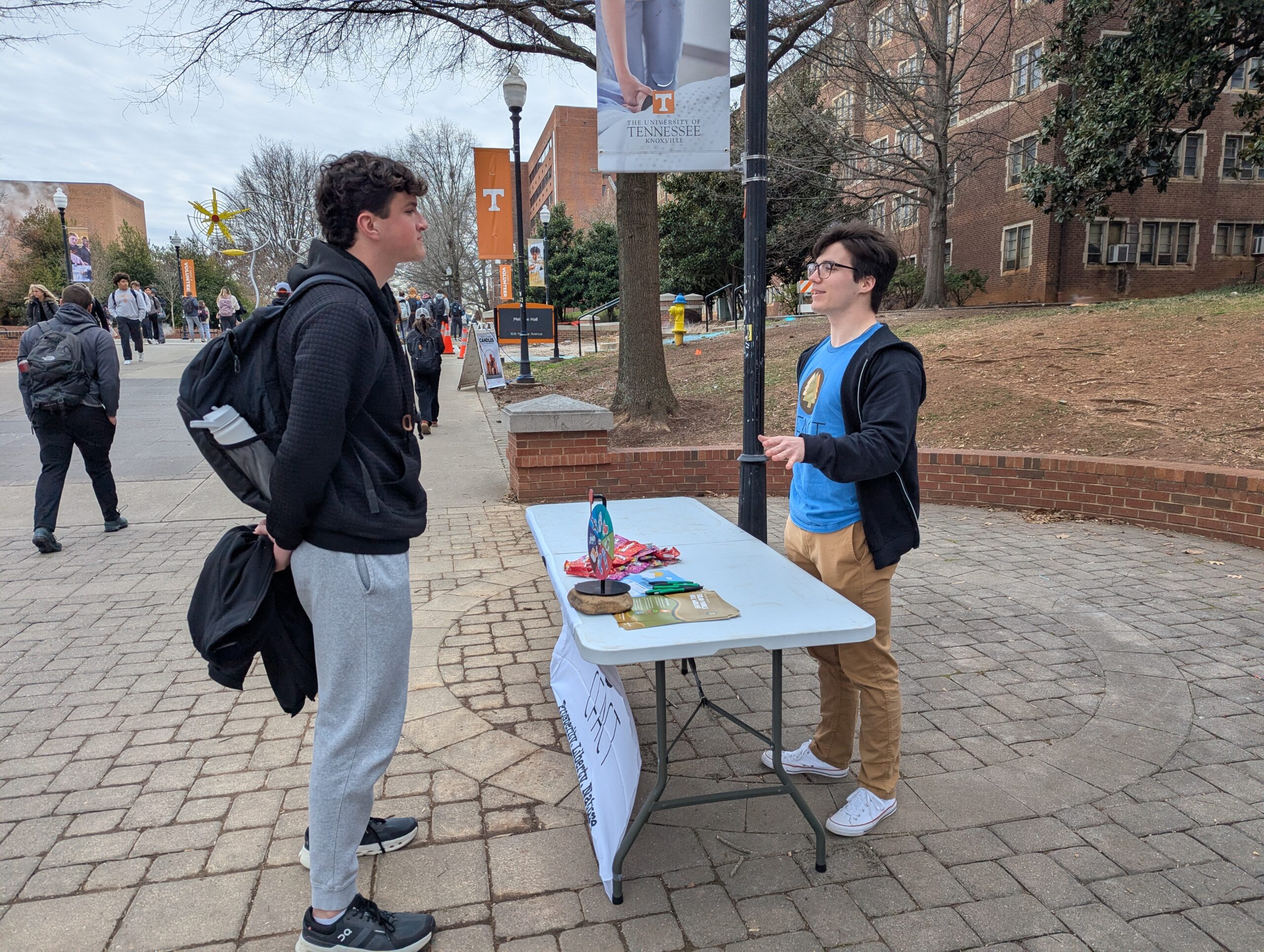
University of Tennessee: Common Sense Over Hype
Back in Tennessee, Collegian Jude Abernathy hosted his own iteration of the spinwheel event and found his message resonated deeply with students tired of hearing only one side of the energy story.
“I am annoyed with solar farms and wind turbines,” one student said candidly. “They do not make that much energy for the amount of resources and land they take up.”
Abernathy reported strong engagement—between 25 and 30 students stopped by—and said nearly all were receptive to CFACT’s message. Many expressed appreciation for the facts and were surprised by the scale of animal harm that goes unmentioned in mainstream narratives.
By highlighting the hidden costs of green energy, Abernathy’s event reaffirmed that young Americans are more open to climate realism than they’re often given credit for.
A Growing Movement for Real Environmental Stewardship
Through these campus tabling events, CFACT Collegians are helping to restore balance to the climate conversation. Rather than parroting tired slogans, they’re sparking honest, fact-based discussions rooted in conservation and common sense.
The spinwheel may seem like a carnival game at first glance—but with every spin, it reveals the uncomfortable truth: when it comes to wildlife and ecosystems, solar farms aren’t so green after all.
Thanks to the courage and creativity of these student leaders, the next generation is beginning to ask tougher questions—and demand real environmental accountability.