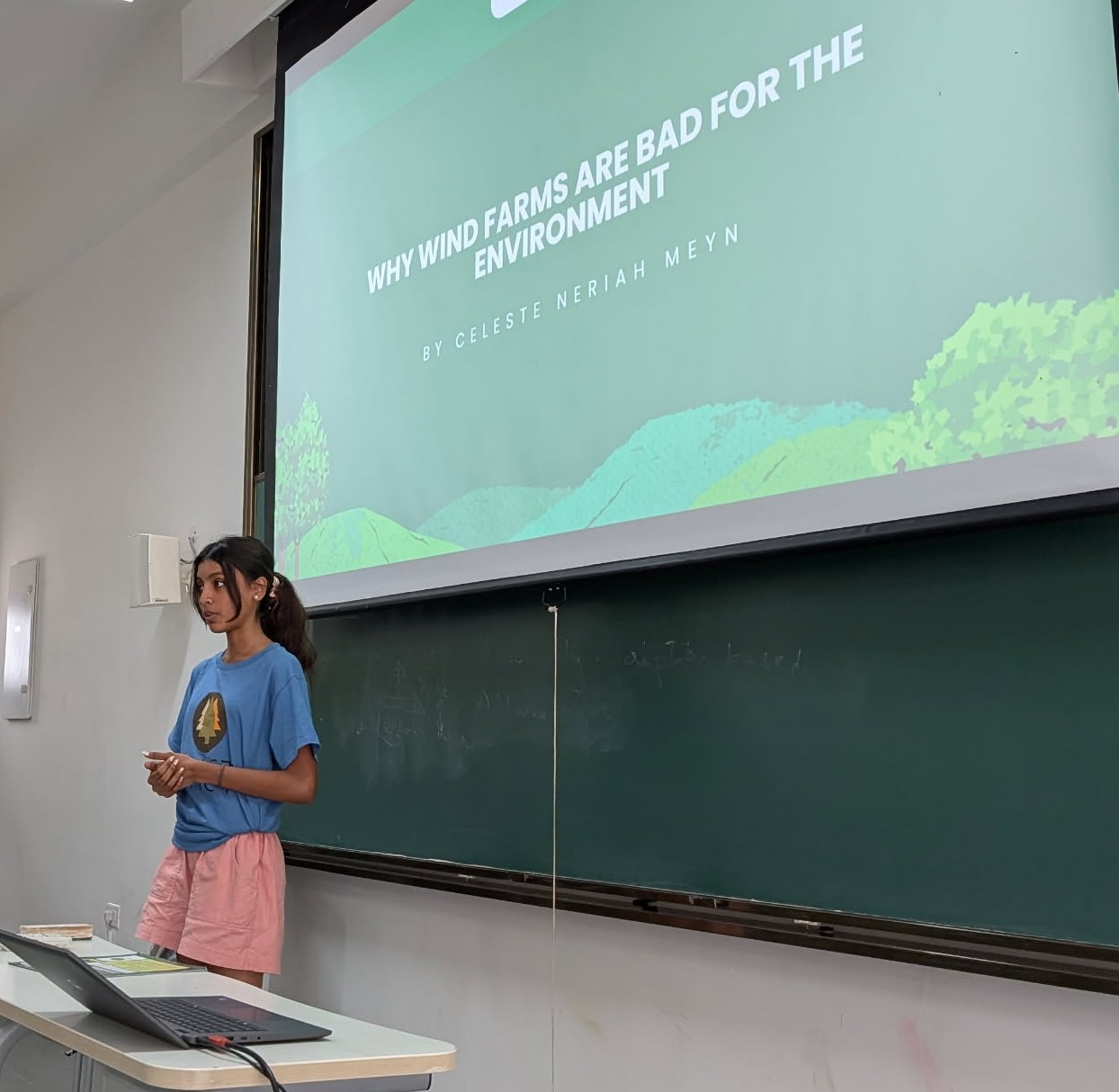
On October 17th, Azim Premji University student Celeste Meyn took a bold step for academic freedom in Bangalore, India. As part of a class presentation, Celeste introduced her peers to CFACT’s mission of promoting free-market environmentalism and critical thinking—a rare perspective in a classroom often dominated by climate alarmism.
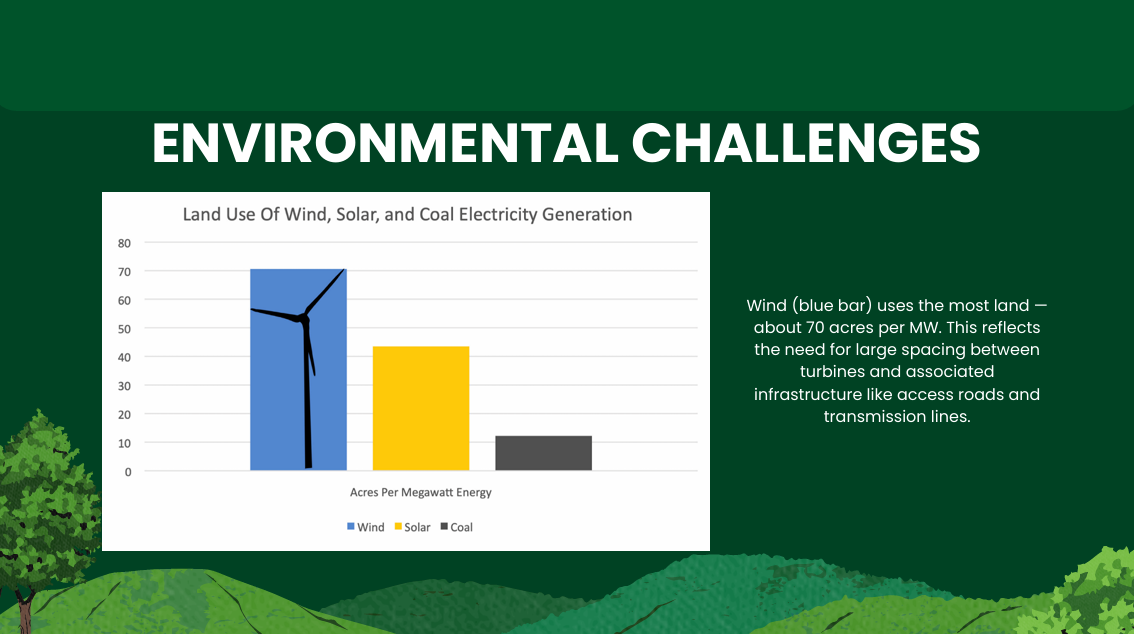
Celeste’s presentation, titled “Why Wind Farms Are Bad for the Environment,” challenged the prevailing narrative that so-called “green” energy comes without environmental costs. Drawing from legitimate data and field research, she highlighted how wind farms require enormous tracts of land—roughly 70 acres per megawatt—and consume vast quantities of rare earth minerals such as neodymium, with each megawatt of capacity demanding nearly 377 pounds of the metal. The mining of these materials, Celeste explained, destroys landscapes and emits heavy pollutants—undermining the very ideals wind energy claims to advance.
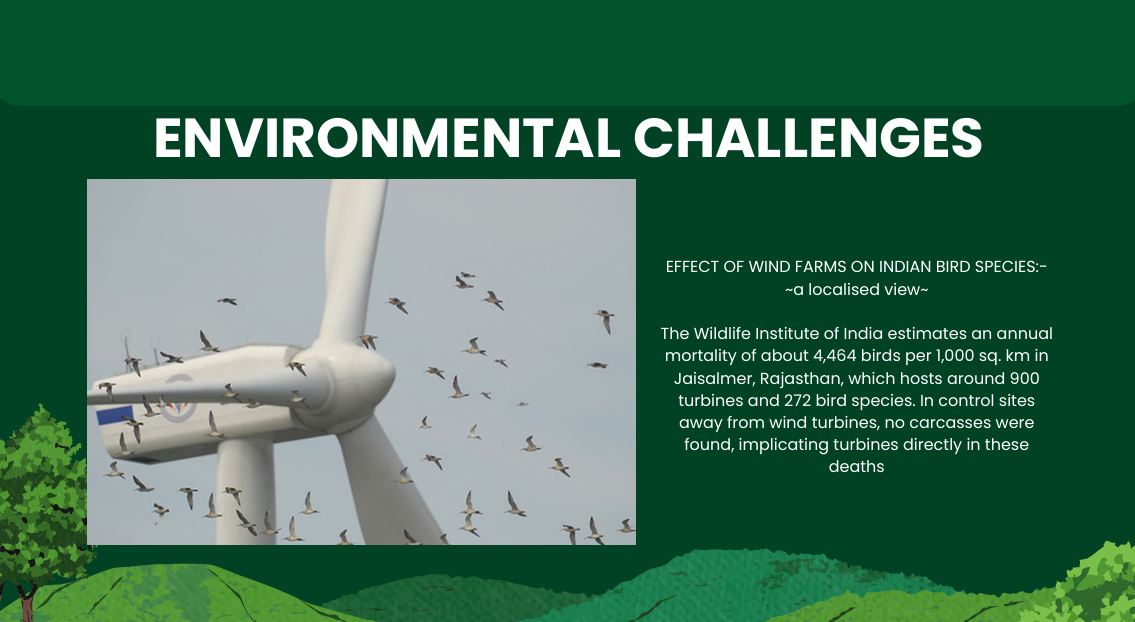
In another section of her talk, Celeste localized the issue by citing the Wildlife Institute of India’s finding that wind turbines in Rajasthan’s Jaisalmer district kill more than 4,400 birds per 1,000 square kilometers each year, while nearby control sites without turbines recorded none. “What looks like green progress on the surface,” she told her classmates, “may be the quiet death of nature underneath.”
While many students appreciated her clear and balanced reasoning, Celeste’s professor was less welcoming—admonishing her to “be careful next time” about the organizations she associates with and even attempting to withhold photos of her presentation. Despite this pushback, Celeste stood firm, defending her professionalism and the integrity of her research.
Celeste’s presentation exemplifies CFACT’s Green Energy Kills campaign, which seeks to reveal the hidden environmental toll of so-called renewable projects. Across India, vast wind developments are expanding through the country’s deserts and coastal plains, threatening migratory bird species and fragmenting fragile ecosystems from Gujarat to Tamil Nadu. By highlighting these overlooked consequences, Celeste joined a growing global chorus of CFACT students exposing how top-down “clean energy” mandates often inflict the very ecological harm they claim to prevent. Through events, research, and honest discussion, Collegians like Celeste are ensuring that environmentalism remains rooted in truth—not ideology.