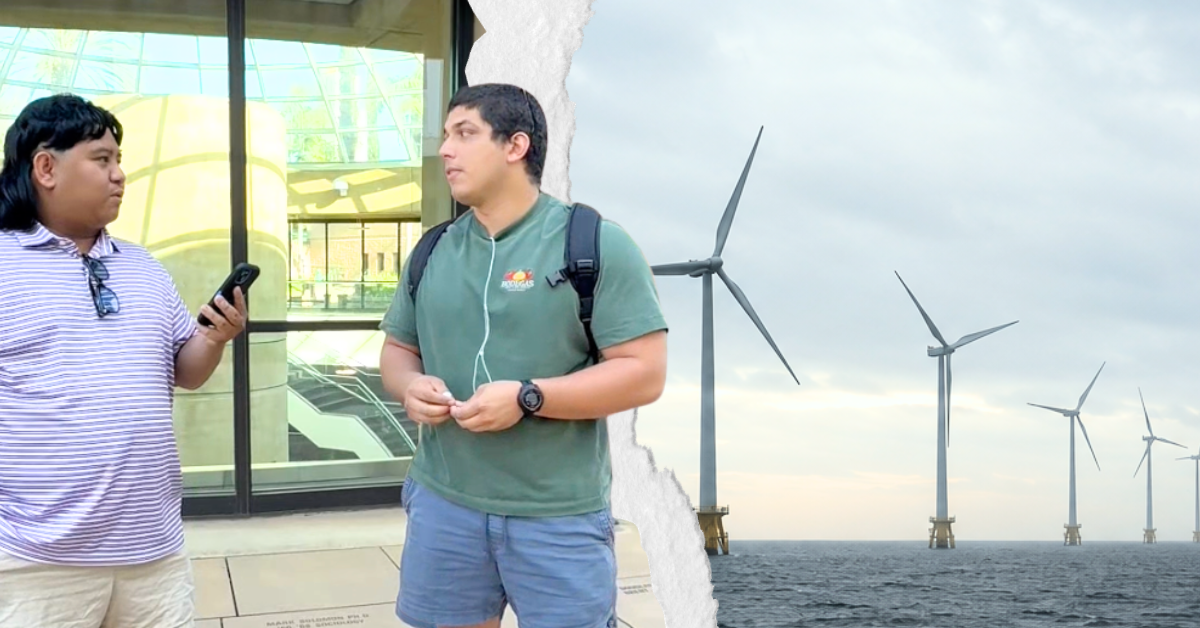
On a busy stretch of campus at the University of Texas at Austin, students traversing between classes were met with a message rarely discussed in environmental conversations: the global push for “Net Zero” energy relies on human exploitation.
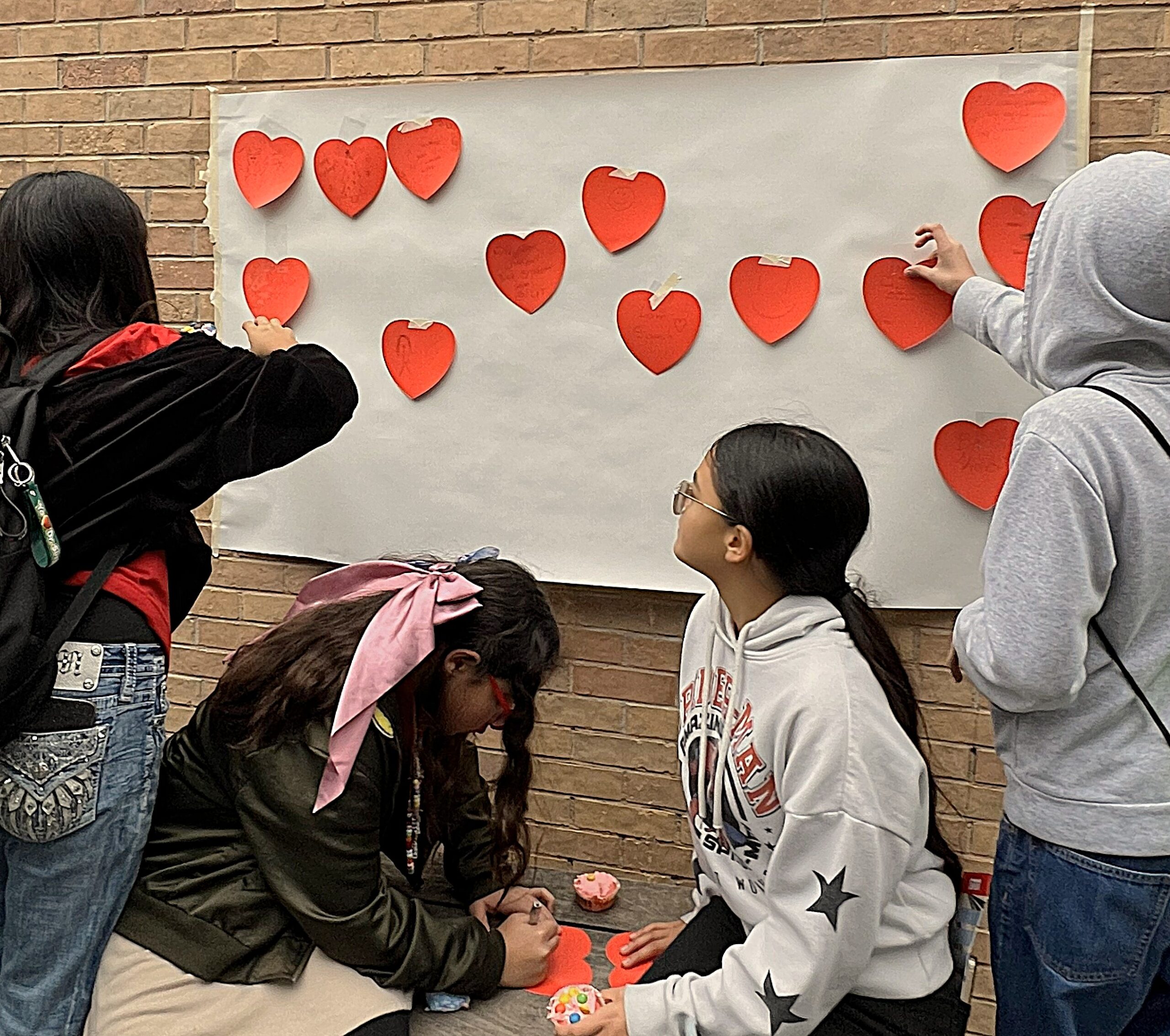
That message came from Thien Nguyen, a CFACT student intern who hosted a “Cobalt Kills Heart Wall”—an interactive awareness display designed to expose the human and environmental costs hidden behind so-called “green energy.” The event centered on a large backdrop posing a moral challenge about Net Zero policies, paired with heart-shaped cutouts inviting students to respond in their own words. Apart of CFACT’s Free Market Energy Campaign, Thien’s event took aim at the dirty secret of clean energy.

Rather than asking for signatures, Thien encouraged participants to write whatever they wanted on a heart to symbolize opposition to the child labor, unsafe working conditions, and environmental devastation tied to cobalt mining. Cobalt is a key mineral used in electric vehicle batteries, solar infrastructure, and other technologies often marketed as clean and ethical. The goal wasn’t to lecture or provoke, but to allow students to encounter the information, reflect, and react honestly—without slogans or pressure.
Held in a high-traffic area, the display drew attention throughout the day. More than 100 students passed by, many stopping to read the wall or take literature. Scores of students engaged directly, taking cupcakes and learning more about cobalt’s role in modern energy systems—enough that Thien began to run out of flyers and cutouts. While not every passerby chose to add a heart to the wall, each interaction opened the door to a conversation rarely heard on campus.
Those conversations focused on realities often omitted from classroom discussions and media coverage: cobalt mining in parts of Africa has been linked to child labor, dangerous conditions, and toxic runoff that damages local ecosystems. For many students, this was the first time these facts were connected directly to Net Zero mandates and the technologies promoted in their name.
One exchange captured the event’s impact perfectly. After hearing about cobalt extraction and its consequences, a student paused and responded candidly: “Wow… all this solar technology and it’s still bad for the environment?” That unfiltered realization—quiet, unscripted, and genuine—was exactly the point.

CFACT Collegians exists to bring honest, human-centered environmental discussions to campuses where dissent from climate orthodoxy is often discouraged. Events like the Cobalt Kills Heart Wall cut through abstraction by focusing on ethics, forcing students to grapple with whether policies branded as clean are defensible when they depend on exploitation abroad.