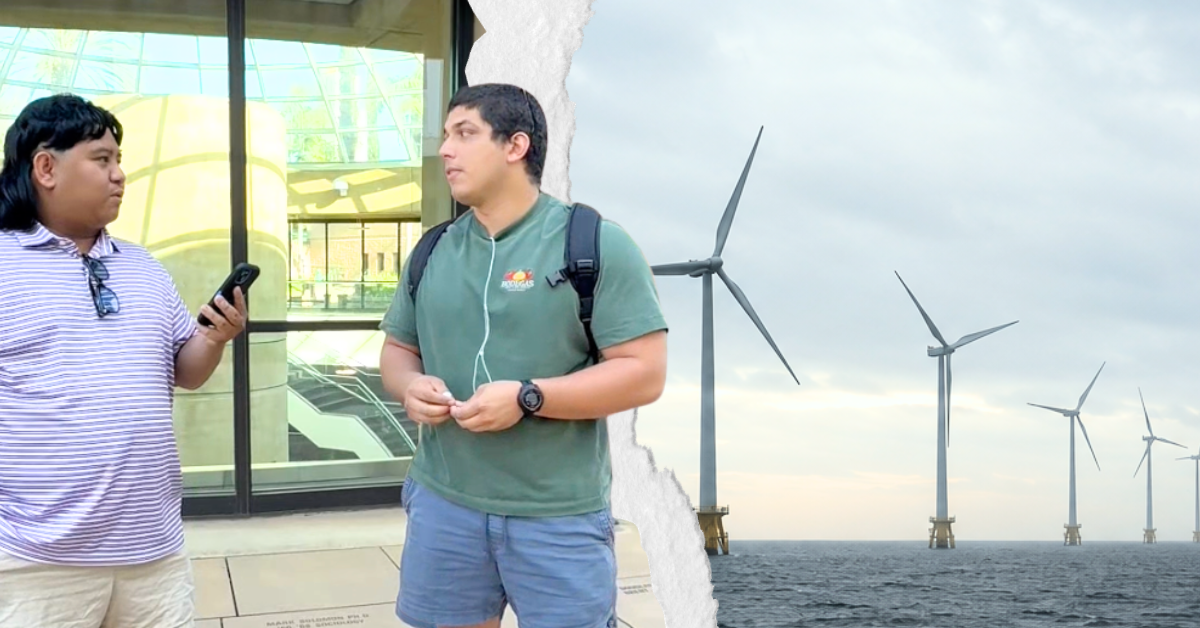
CFACT Collegian Pearl Beyer attending University of Illinois Chicago hosted a birdhouse painting workshop last week designed to highlight an often-overlooked consequence of wind energy: its impact on bird populations.
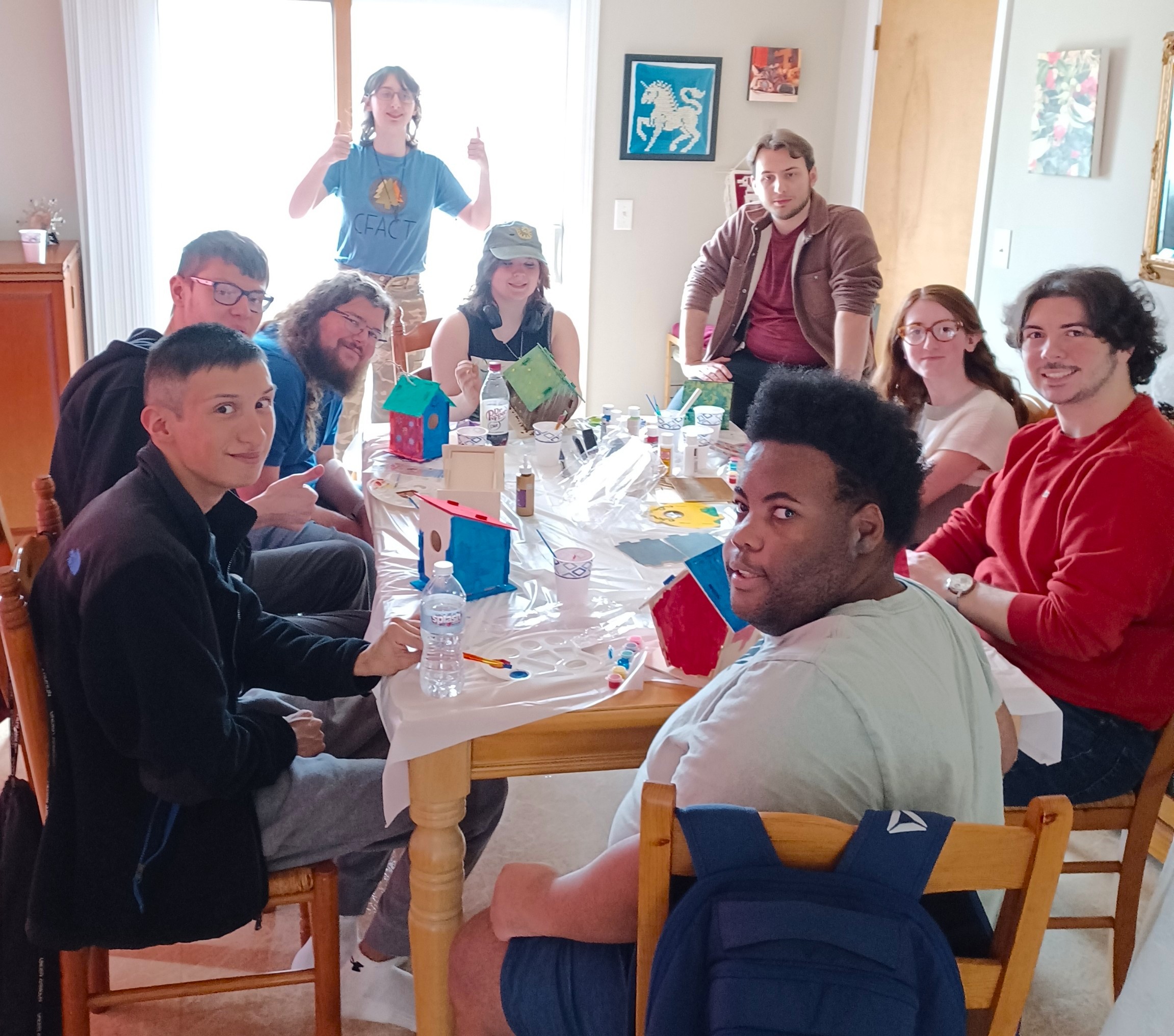
The two-hour event brought together 9 students at Pearl’s home for a hands-on activity paired with a frank discussion about the dangers wind farms pose to our feathered friends. While painting and assembling birdhouses, attendees learned about the documented toll wind turbines take on wildlife—particularly birds, which are frequently killed by turbine blades operating at high speeds. Estimates suggest turbines in the United States kill between 140,000 and one million birds each year, a figure that sharply contrasts with the industry’s “eco-friendly” reputation.
The setting created a clear contrast. Students were actively building habitats for birds while discussing an energy source that contributes to their destruction. That juxtaposition helped ground the conversation and made the issue more tangible for those in attendance.
“The group and I had a blast! When I told them about how wind turbines in the United States kill an estimated 140,000–1 million birds per year a few people even gasped! It was a fun and educational opportunity for myself and my peers.”
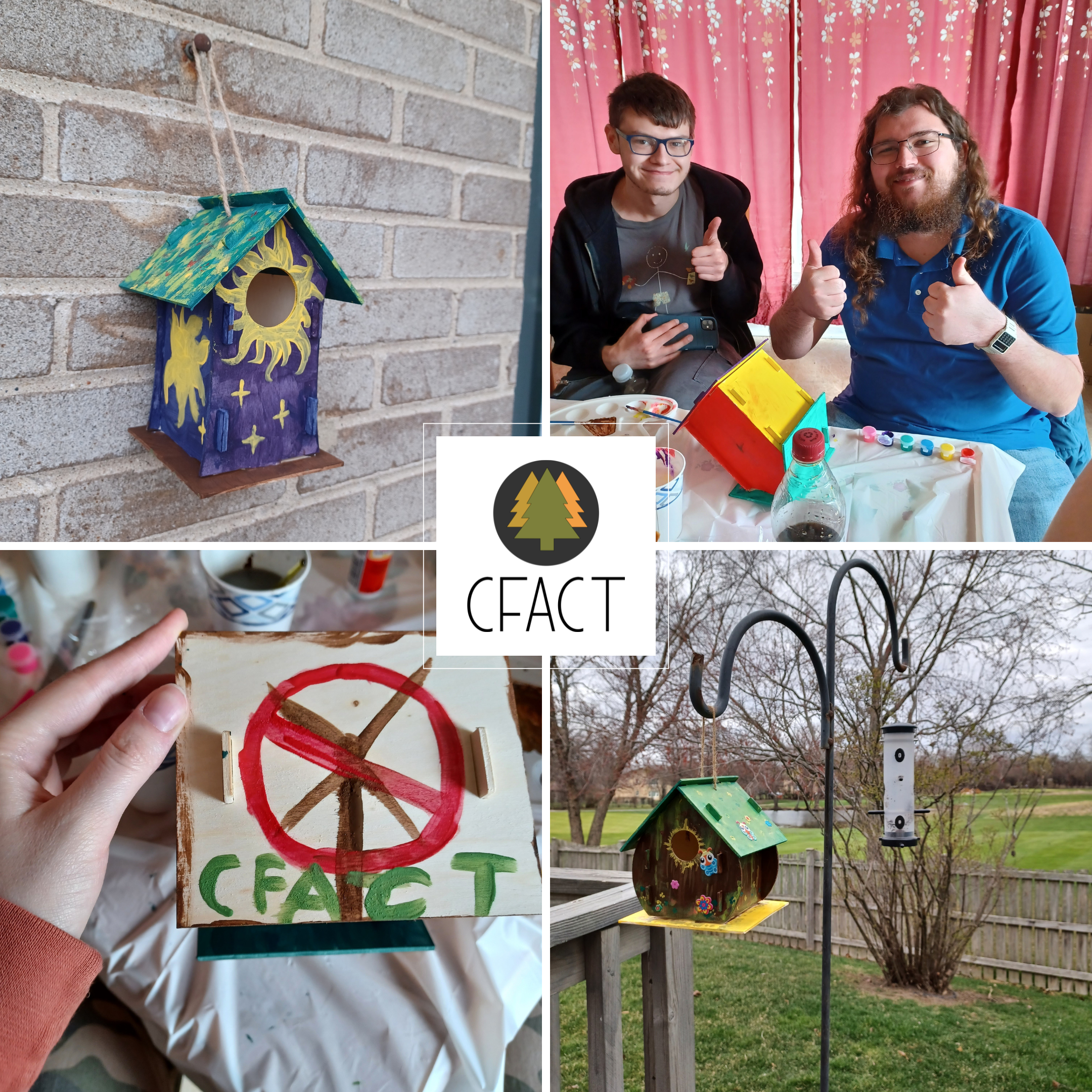
For many students, the information was new. Wind energy is often presented as environmentally harmless, but its impact on wildlife tells a different story. Beyond bird mortality, wind turbines have also been linked to significant bat deaths and major habitat destruction consequences that are frequently minimized in broader discussions about renewable energy.
By connecting a creative, interactive activity with real environmental data, Pearl’s workshop gave students a more complete picture of the tradeoffs involved in energy production. Rather than accepting simplified narratives, attendees were encouraged to think critically about what “clean energy” actually means in practice.
Through events like this, CFACT Collegians continue to challenge one-sided environmental messaging and equip students with the information needed to engage more thoughtfully on energy and conservation issues.