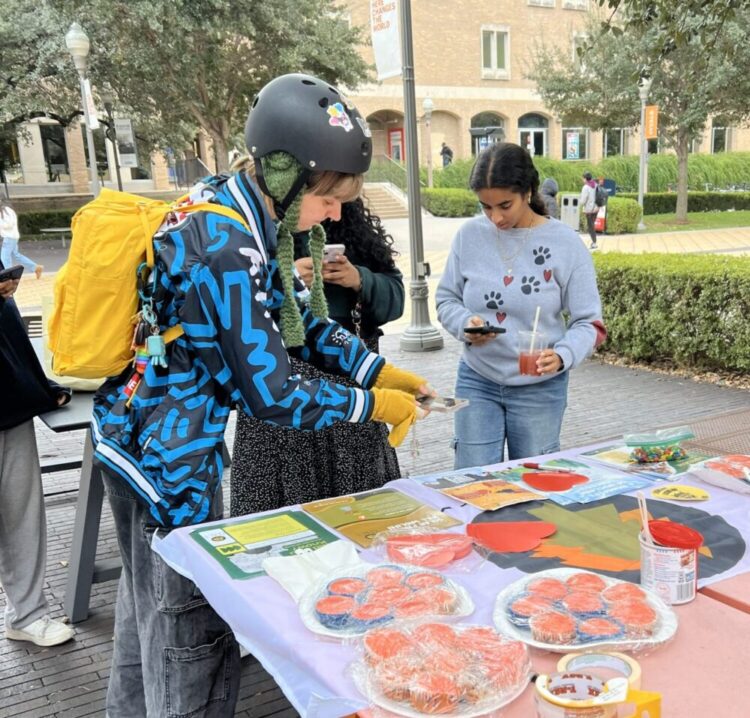
In a cozy corner of Washburn University’s student union this spring, McKrae Masters staged a powerful first strike against one of the most overlooked injustices in today’s energy conversation. Despite no official group status on campus and a less-than-ideal location as a result, McKrae’s first tabling event could have easily gone unnoticed. However, thanks to a compelling visual display and powerful messaging, numerous students stopped by to learn the uncomfortable truth: the road to “net zero” is paved with child labor and environmental destruction.
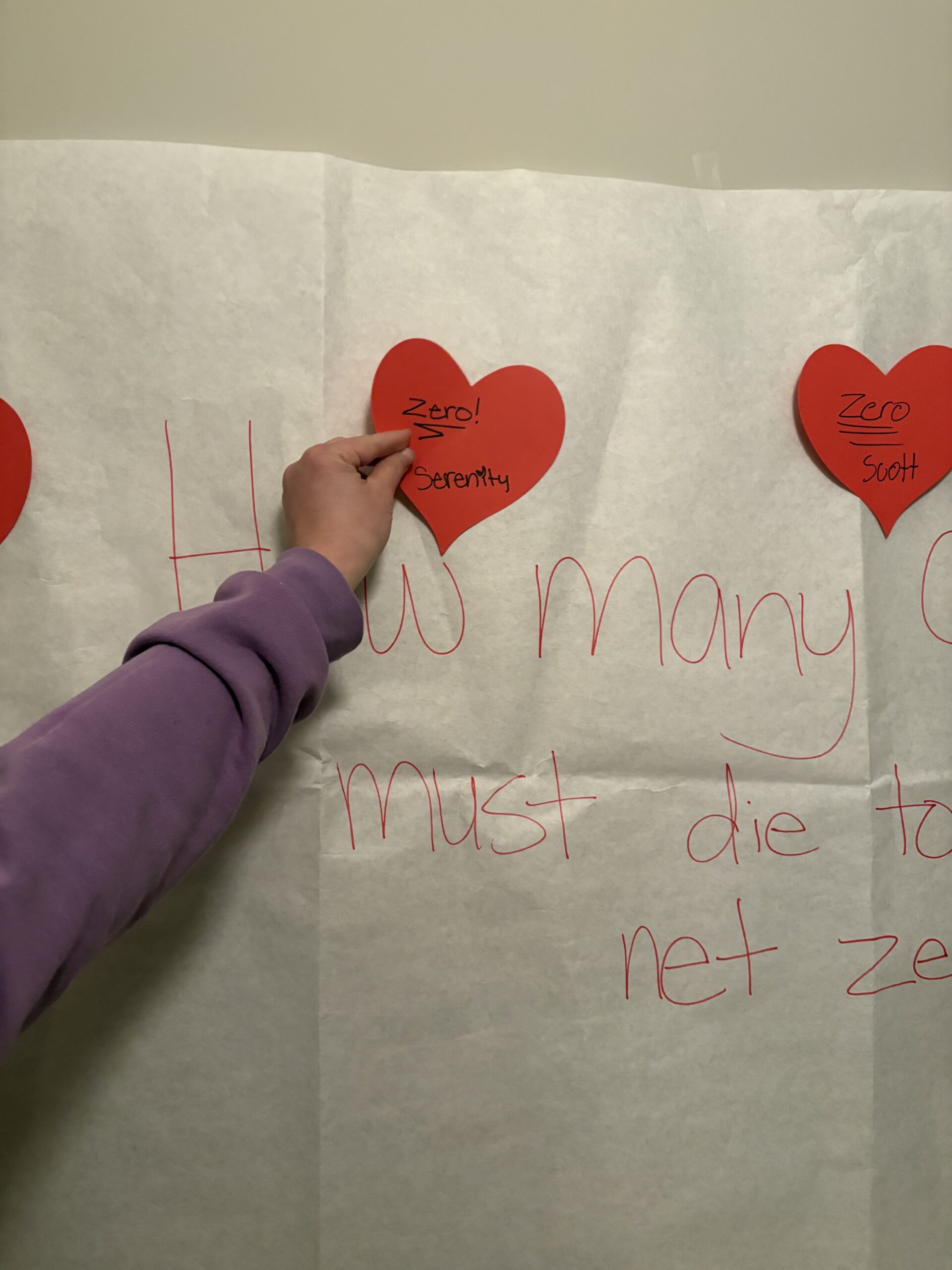
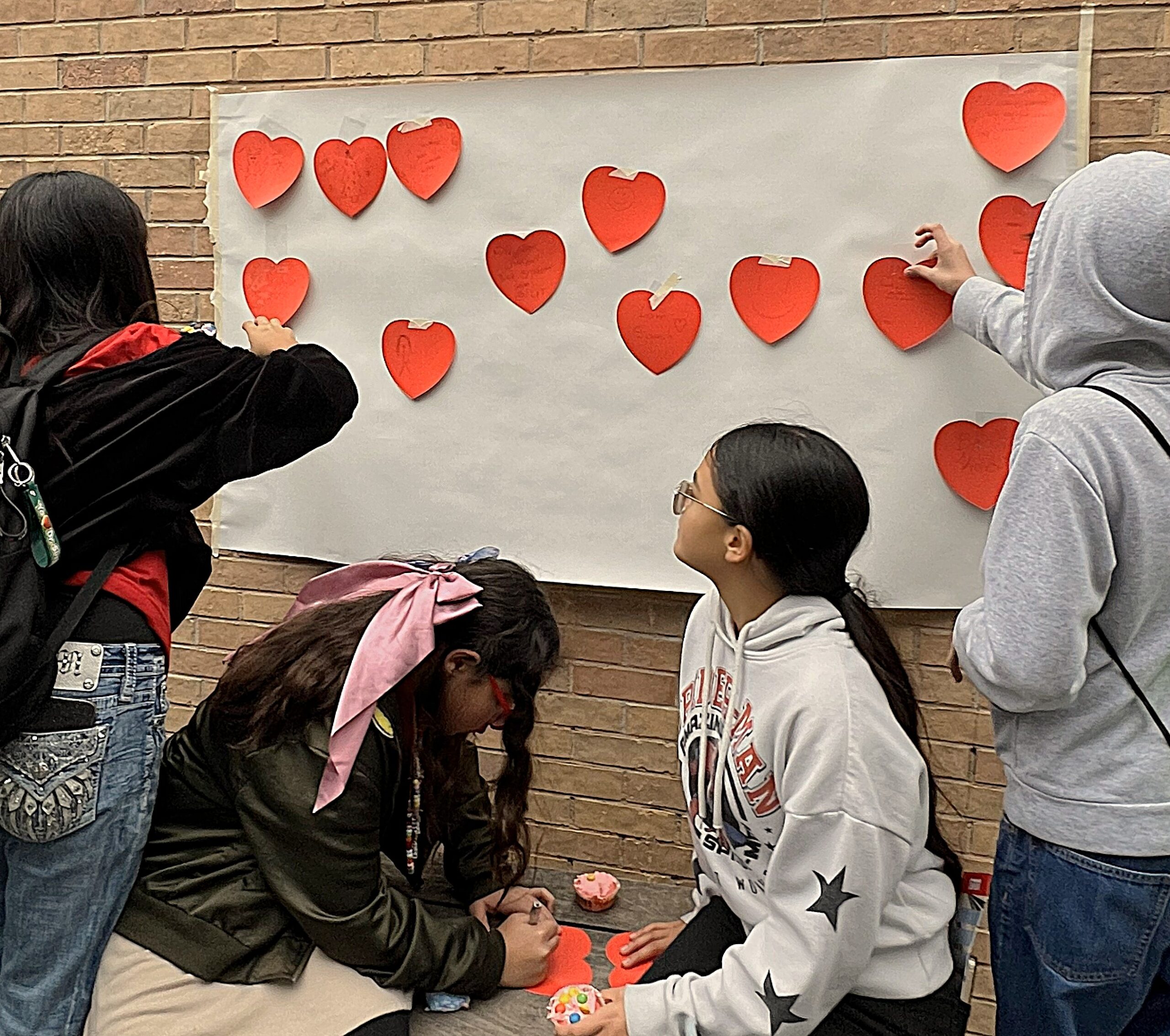
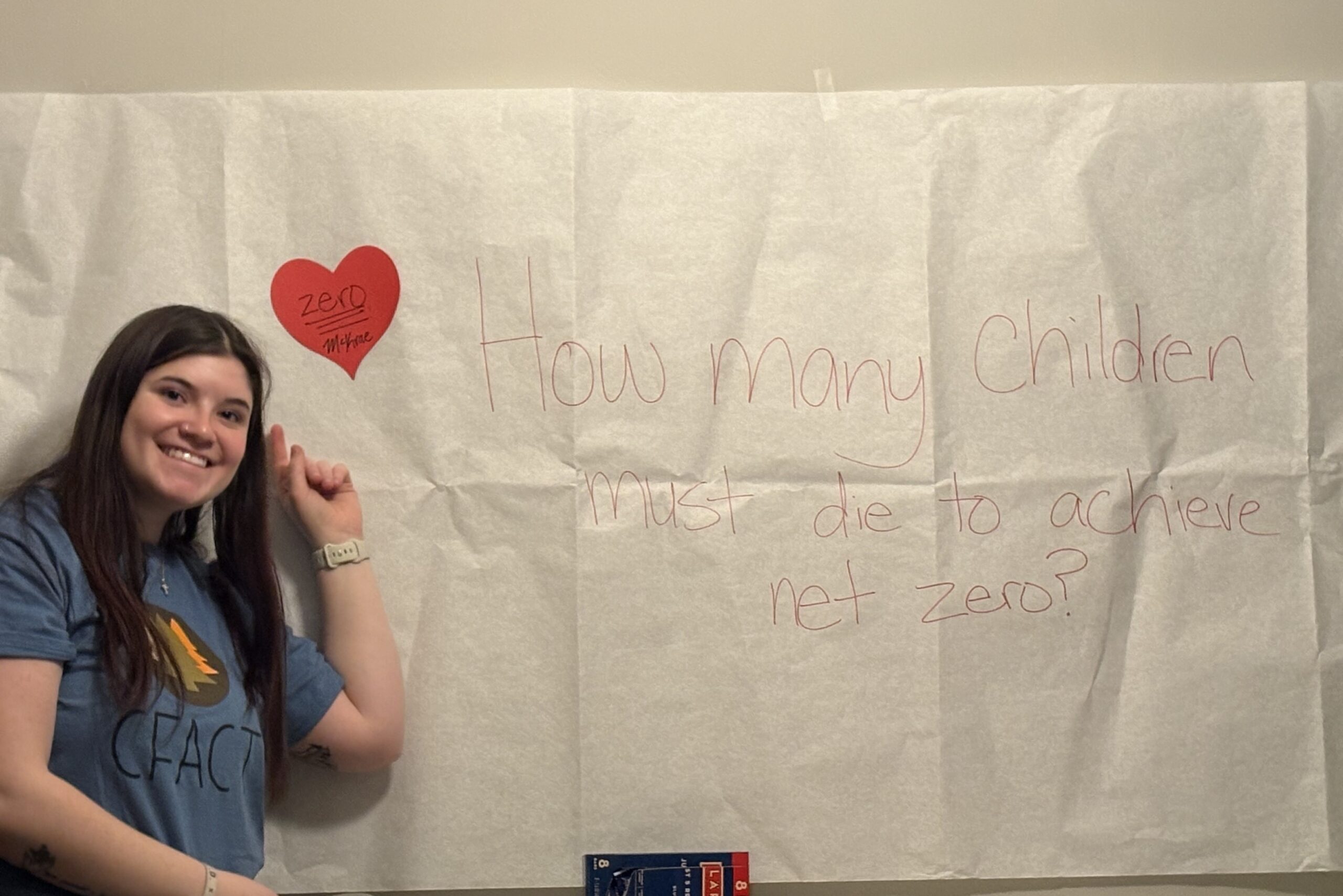
At the center of McKrae’s table stood a striking canvas sign: “How many children must die to achieve Net Zero?” Alongside it, heart-shaped cutouts bearing the word “ZERO” offered students the opportunity to sign their names and take a visible stand against human rights abuses tied to cobalt mining.
Cobalt is a critical mineral used in lithium-ion batteries for electric vehicles and smartphones—yet over 70% of the world’s cobalt is mined in the Democratic Republic of the Congo, with roughly 30% of that mined by hand. These mines rely heavily on child laborers, some as young as six, who work long hours in toxic, unsafe conditions for mere pennies a day. As McKrae explained to curious passersby, this isn’t progress—it’s exploitation.
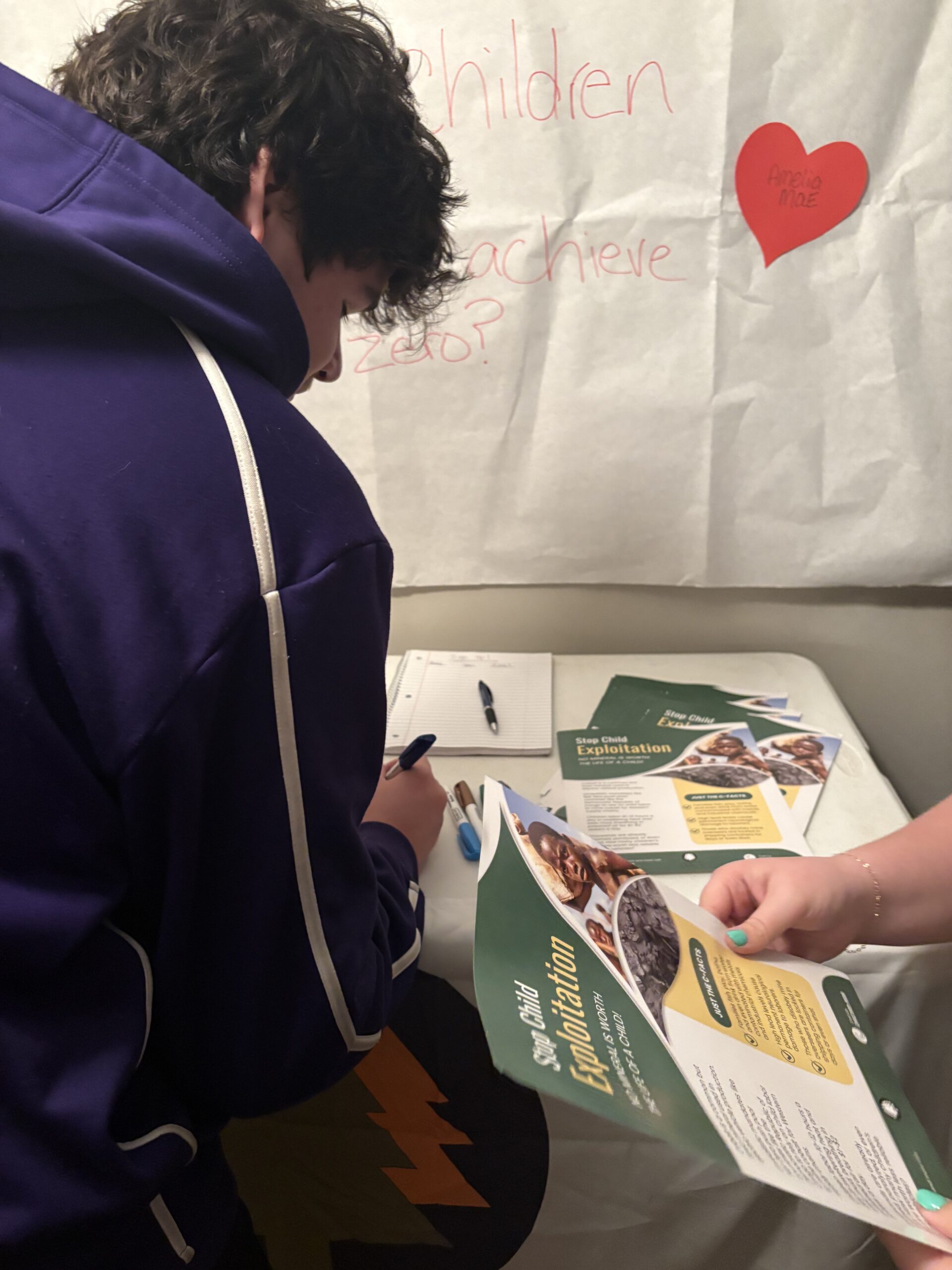
Supplementing the visual messaging, McKrae also distributed literature outlining the environmental and ethical costs of cobalt mining. Many students were unaware that cobalt extraction destroys ecosystems, contaminates water supplies, and funds political instability abroad. Others expressed shock that green energy mandates—marketed as clean and ethical—rely on such grim realities.
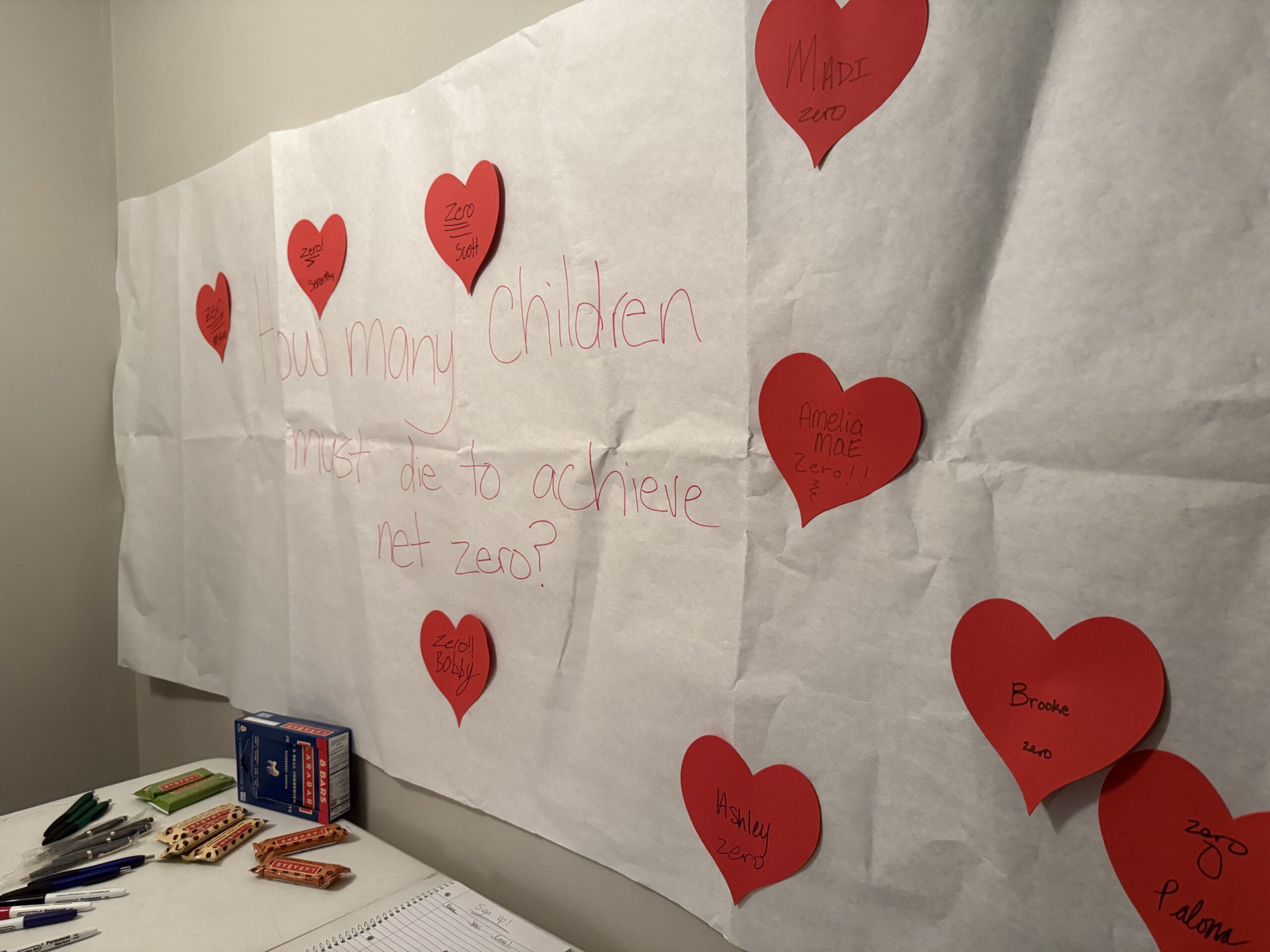
Each conversation she struck up carried weight. McKrae planted the seed of skepticism in a narrative that too often goes unchallenged. By asking students to literally put their names on the line with a signed heart, she transformed abstract policy critique into a tangible stand for justice.
As the day wrapped, McKrae may have still lacked a chartered student group, but she held something far more important: momentum. The hearts taped to her display—and the hearts she reached—stand as proof that CFACT’s message is spreading. From a basement table, a movement rises.